
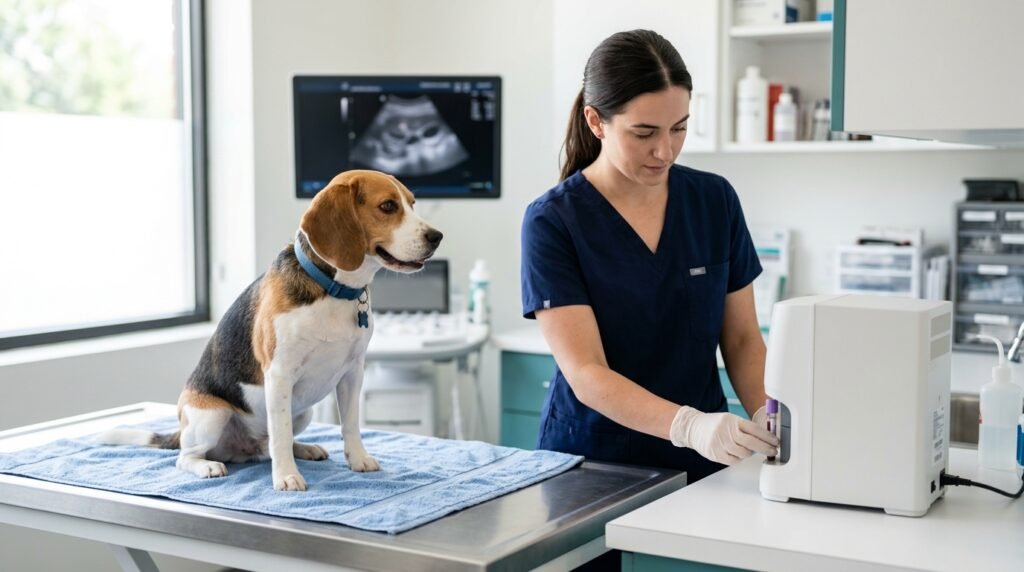

Dogs and cats are very good at looking fine. Kidney disease, thyroid problems, diabetes and even internal tumours can develop for months before a pet shows anything an owner would notice at home. If you are looking for a vet clinic near me that can find these problems early, this guide explains how modern blood, urine and imaging tests work together, which conditions they catch before symptoms appear, and how often your dog or cat should be screened at each stage of life.
| Topic | Advanced veterinary diagnostics and early disease detection |
| Best for | Dog and cat owners in Etobicoke, Mimico, New Toronto and Long Branch |
| Reading time | About 10 minutes |
| Last updated | October 2026 |
What Advanced Veterinary Diagnostics Actually Means
The phrase sounds like one expensive machine, but in practice it is a system. Advanced veterinary diagnostics combine three things: fast in-house lab work, specialized tests sent to a reference laboratory, and imaging that shows what blood tests cannot. The real power comes from using them together and repeating key tests over time.
In-House Testing vs Reference Laboratory Testing
Most clinics split testing between their own lab and an outside one. Each has a clear job.
| In-house lab | Reference laboratory | |
|---|---|---|
| Typical tests | CBC, chemistry panel, urinalysis, fecal exam, cytology | Thyroid and adrenal hormones, biopsies, cultures, PCR, allergy panels |
| Speed | Often within minutes | Usually one to several days |
| Best for | Sick pets, pre-surgical checks, quick decisions | Confirming a diagnosis, rare or complex conditions |
| Equipment | Analyzers and microscopes on site | Large specialist labs with pathologists |
At our hospital, routine pet lab tests such as bloodwork, urinalysis and cytology are run on site. Specialized pet laboratory testing goes to partner reference labs, including IDEXX, Antech and VARL for allergy work. Having both means your vet is not limited by what one machine can measure.
Why Trends Matter More Than a Single Result
A single blood test is a snapshot. A value can sit inside the normal range and still be climbing steadily for your pet. That is why a baseline taken while your pet is healthy is so useful: it gives your vet a personal “normal” to compare against later. A small but consistent rise in a kidney value across three visits says far more than one borderline number.
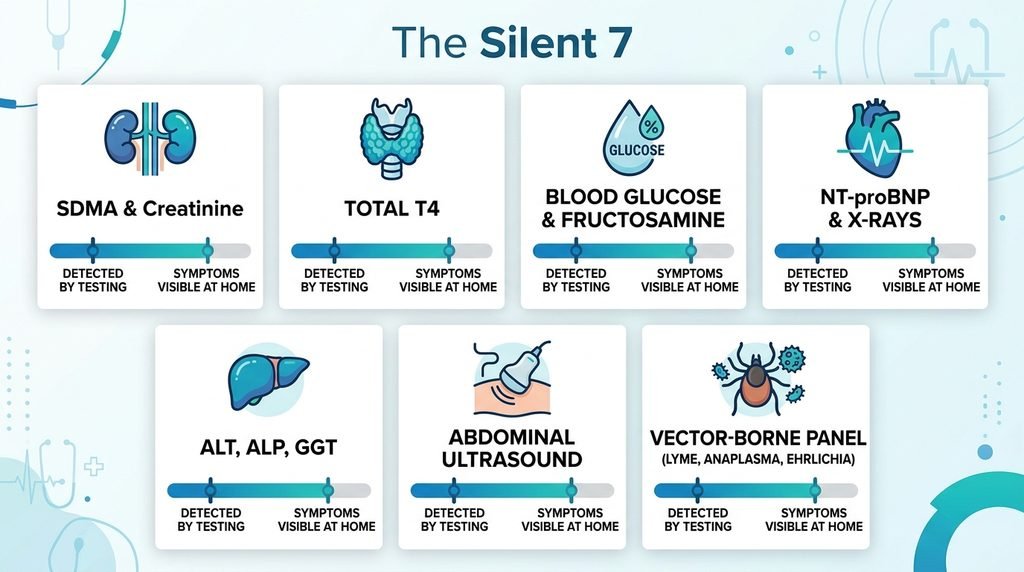
7 Silent Conditions Modern Testing Can Catch Early
These are the conditions where early detection makes the biggest difference to how long and how well a pet lives.
1. Chronic Kidney Disease
Kidney disease is one of the most common problems in older cats and a frequent one in dogs. Traditional bloodwork relies on creatinine, which is affected by muscle mass and rises late. A newer marker, SDMA, picks up declining function sooner. According to the International Renal Interest Society, studies found SDMA rose roughly 9 months earlier than creatinine in dogs and about 17 months earlier in cats. Urine concentration and protein levels add further clues.
2. Hyperthyroidism in Cats
An overactive thyroid is common in middle-aged and older cats. Early signs, like weight loss despite a big appetite, are easy to read as “just getting older.” A simple T4 blood test usually confirms it. The Cornell Feline Health Center notes that untreated hyperthyroidism can thicken the heart muscle and raise blood pressure, which is why catching it early protects more than the thyroid.
3. Diabetes Mellitus
Increased thirst and urination are the classic signs, but many owners notice them late. Blood glucose on a chemistry panel and glucose in the urine often show the problem first. Diagnosing diabetes before a pet becomes seriously ill makes stabilizing them simpler and safer.
4. Hidden Heart Disease
Some heart conditions cause no coughing or fatigue until they are advanced. A blood test called NT-proBNP measures a hormone released when the heart muscle is stretched or stressed. It is used in dogs and cats to flag heart disease that needs a closer look, and chest X-rays or a heart ultrasound then show the structure of the heart.
5. Liver and Adrenal Disorders
Raised liver enzymes on a routine panel can point to liver disease, medication effects, or hormone conditions such as Cushing’s disease, which is common in middle-aged and older dogs. Reference lab hormone tests then separate one cause from another.
6. Internal Masses and Tumours
Lumps you can feel are only part of the picture. Abdominal ultrasound can reveal masses on the spleen, liver or other organs long before they cause symptoms. For skin lumps, a quick fine-needle aspirate examined under the microscope (cytology) can often tell a harmless fatty lump from something that needs removal. Our pet ultrasound guide explains how this scan works step by step.
7. Infectious and Parasitic Disease
Heartworm, tick-borne infections and intestinal parasites often start without visible signs. Ticks are increasingly common in Ontario, so yearly screening for dogs is a practical habit. Fecal tests catch parasites that can also affect people in the household.
Which Test Finds What: A Quick Comparison
Owners often ask about the most common veterinary diagnostic tests and what each one is actually for. This table sums it up.
| Test | What it checks | Early problems it can flag |
|---|---|---|
| Complete blood count (CBC) | Red cells, white cells, platelets | Anemia, infection, inflammation, some cancers |
| Chemistry panel (with SDMA) | Kidney, liver, glucose, protein, electrolytes | Kidney disease, liver disease, diabetes |
| Urinalysis | Concentration, protein, glucose, crystals, cells | Early kidney changes, diabetes, urinary infection |
| T4 (thyroid) | Thyroid hormone level | Hyperthyroidism in cats, hypothyroidism in dogs |
| NT-proBNP | Heart muscle stress | Hidden heart disease |
| Fecal and heartworm testing | Parasites and blood-borne infection | Worms, heartworm, tick-borne disease |
| Cytology | Cells from lumps, ears, skin, fluid | Infection, inflammation, possible tumours |
| X-ray and ultrasound | Organs, bones, heart, abdomen | Masses, organ enlargement, stones, fluid |
How Often Should Your Pet Be Screened?
Screening needs change as pets age. The American Animal Hospital Association recommends that senior dogs and cats have a CBC, chemistry panel and urinalysis every 6 to 12 months, plus yearly thyroid and blood pressure checks. AAHA considers cats senior after age 10 and dogs senior in the last quarter of their expected lifespan, which comes sooner for large breeds.
| Life stage | Recommended screening |
|---|---|
| Puppies and kittens | Fecal tests, infectious disease screening, pre-anesthetic bloodwork before spay or neuter |
| Healthy adults | Yearly bloodwork and urinalysis to set a baseline, yearly parasite and heartworm screening for dogs |
| Seniors | CBC, chemistry and urinalysis every 6 to 12 months, thyroid and blood pressure yearly, imaging when needed |
Puppies and Kittens
Young pets mostly need parasite and infectious disease checks, plus bloodwork before anesthesia. A thorough puppy wellness exam is also where your vet first records what is normal for your pet.
Adult Dogs and Cats
A yearly pet wellness exam with bloodwork builds the baseline that makes later results meaningful. Breeds with known risks, such as large dogs prone to heart disease, may need targeted screening earlier.
Senior Pets
This is where routine dog wellness screening and senior cat panels pay off most. Kidney, thyroid, heart and endocrine problems become far more common, and twice-yearly testing catches changes while treatment options are widest.
Where Imaging Fits In
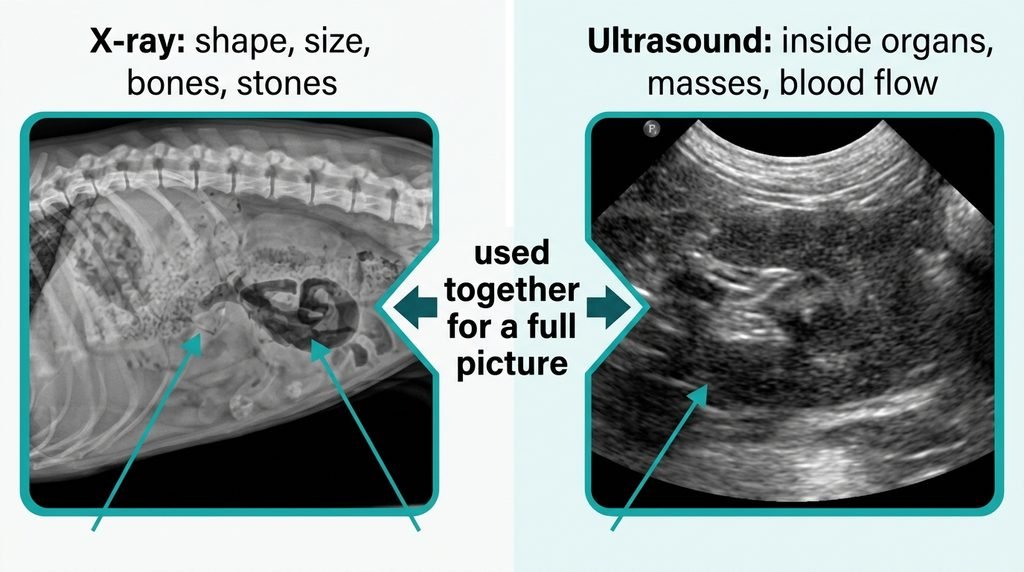
Blood and urine tests tell you how organs are working. Imaging shows what they look like. Digital X-rays are best for bones, the chest, and the overall size and shape of organs. Ultrasound shows soft tissue in detail, including the inside of the liver, kidneys, spleen, bladder and heart. Our in-house veterinary diagnostic imaging means many pets can have bloodwork and a scan on the same visit, which shortens the time from question to answer. For owners searching for pet ultrasound near me, that same-day combination is often the deciding factor.
Case Study: How Routine Bloodwork Kept Oliver Thriving
Oliver, a 15-year-old cat, had started moving more slowly, sleeping more, and landing stiffly when he jumped down from furniture. His owner, Patricia, put it down to age. At his senior wellness exam, bloodwork showed early-stage chronic kidney disease.
What the plan looked like
- A prescription kidney diet
- Medication to support kidney function and manage blood pressure
- Subcutaneous fluids at home, with our technicians teaching Patricia the technique
- Rechecks every three months with kidney blood values and urine tests
The result
Three years after diagnosis, Oliver’s kidney disease has not progressed significantly. He eats well, stays hydrated and keeps his usual routines. “What matters most to me is that Oliver still has quality of life,” Patricia says.
Max, a 13-year-old tabby, is another example. His owner noticed he was drinking more and losing weight while still eating normally. Routine bloodwork confirmed diabetes, and within six months of starting insulin he had regained the lost weight and his thirst was back to normal. You can read both stories in full in our Etobicoke veterinary hospital reviews and patient stories.
What to Expect at a Diagnostic Visit
Before the Appointment
Your vet may ask you to withhold food for several hours before blood tests, because a recent meal can affect some values. Water is usually fine. If a urine test is planned, try not to let your pet empty their bladder right before arriving.
During Sample Collection
A blood sample takes a minute or two from a vein in the leg or neck. Urine can be collected by free catch or with a fine needle into the bladder, which gives the cleanest sample for culture. Most pets handle both calmly.
Understanding the Results
Your vet will walk you through what is normal, what is borderline, and what needs follow-up. If you want to understand the numbers yourself, our guide to vet lab tests breaks down each panel, and our article on veterinary diagnostic testing answers the questions owners ask most.
Book Diagnostic Screening in Etobicoke
South Etobicoke Animal Hospital provides complete pet diagnostic services under one roof, from in-house bloodwork and cytology to digital X-ray, ultrasound and diagnostic laboratory services through our reference partners. Visit us at 741 The Queensway, call +1 (416) 201-9123, email petcare@southetobicokeanimalhospital.ca, or book an appointment online.
Frequently Asked Questions About Advanced Veterinary Diagnostics
-
What are advanced veterinary diagnostics?
Advanced veterinary diagnostics are the combination of tests a clinic uses to find disease, often before symptoms appear. They include in-house bloodwork, urinalysis and cytology, specialized reference laboratory tests such as hormone panels, biopsies and PCR, and imaging like digital X-ray and ultrasound. What makes them advanced is not a single machine but how the results are combined and tracked over time, so small changes in your pet’s health are spotted while they are still easy to treat.
-
How often should my pet have bloodwork?
Most healthy adult dogs and cats benefit from bloodwork once a year, which builds a personal baseline for comparison. Senior pets, generally cats over 10 and dogs in the last quarter of their expected lifespan, should be screened every 6 to 12 months. Pets with ongoing conditions such as kidney disease or diabetes often need rechecks every few months. Your veterinarian will adjust the schedule to your pet’s breed, age, medications and medical history.
-
Does my pet need to fast before blood tests?
Often, yes. A meal within the last several hours can raise fat and glucose levels in the blood and make some results harder to read. Your vet will usually ask you to hold food overnight or for the morning of the visit, while leaving water available. Some tests, and some pets such as diabetics on insulin, follow different instructions, so always confirm with the clinic when you book the appointment rather than guessing.
-
How long do veterinary lab results take?
Routine in-house tests such as a CBC, chemistry panel and urinalysis are often ready within minutes, so your vet can discuss them during the same visit. Tests sent to a reference laboratory, including hormone panels, biopsies, cultures and allergy testing, usually take one to several days depending on the test. Cultures can take longer because bacteria need time to grow. Your vet will tell you when to expect each result and how you will receive it.
-
Is there an animal diagnostic clinic near me in Etobicoke?
Yes. South Etobicoke Animal Hospital at 741 The Queensway serves dogs and cats from Mimico, New Toronto, Long Branch and surrounding Toronto neighbourhoods. We provide state-of-the-art pet diagnostics including in-house lab work, cytology, digital X-ray and ultrasound, with reference laboratory support for specialized tests. Call +1 (416) 201-9123 or email petcare@southetobicokeanimalhospital.ca to arrange screening or a diagnostic visit for your pet.
The best time to find a health problem is before your pet ever feels it, and that starts with one baseline test.