
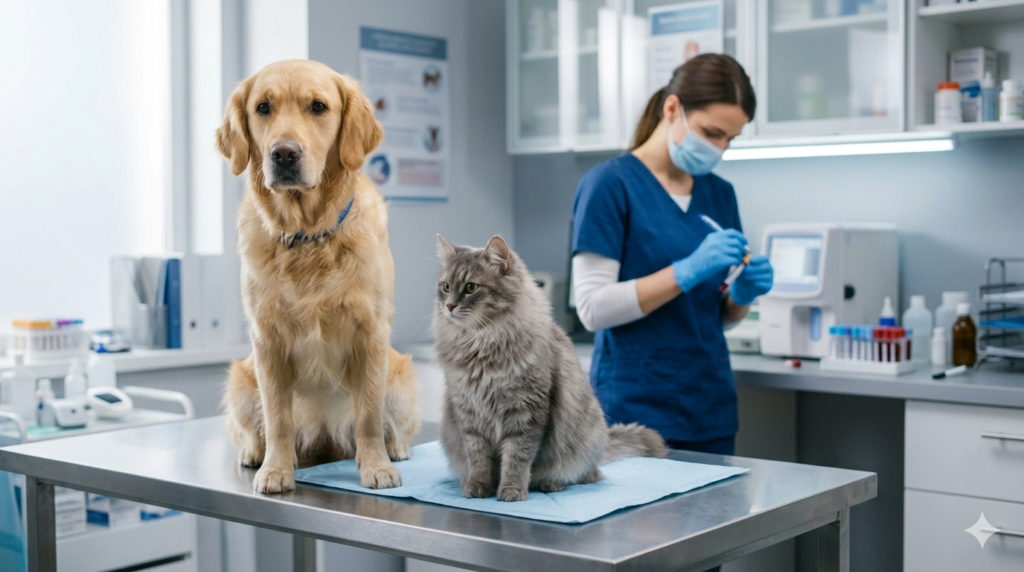

When your veterinarian recommends bloodwork, a urine test, or a stool sample, it can feel like a lot of medical jargon flying at you all at once. Most pet owners nod along, agree to the test, and end up unsure what the results actually mean a week later. The reality is that veterinary laboratory tests are some of the most informative tools your vet has, and understanding even the basics changes how confidently you make decisions for your pet. At South Etobicoke Animal Hospital, our team runs lab work every single day, and we have noticed the same pattern across hundreds of cases: pet owners who understand what is being tested ask better questions, follow recommendations more consistently, and catch problems earlier.
This guide breaks down the most common veterinary laboratory tests for dogs and cats, what each one looks for, how in-house diagnostics differ from external reference lab partnerships, and how to read the report when it lands in your inbox. By the end, the words “CBC”, “chem panel”, and “T4” should feel a lot less intimidating.
What Veterinary Laboratory Tests Actually Reveal About Your Pet
Lab tests are the part of veterinary medicine where invisible information becomes visible. A dog or cat cannot tell us they feel slightly off, that their kidneys are working a little harder than usual, or that their thyroid is producing too much hormone. Lab work fills that gap.
Some tests look at how the body is functioning at a chemical level. Others screen for parasites, infections, or specific diseases. Many serve as a baseline so your vet can spot changes over time. The American Veterinary Medical Association considers routine lab screening one of the cornerstones of preventive veterinary care, and reputable institutions like the Cornell University College of Veterinary Medicine treat regular diagnostic monitoring as a standard part of feline and canine wellness.
Types of Veterinary Laboratory Tests for Dogs and Cats
Most pets will encounter the same handful of tests during their lifetime. Here is what each one actually measures.
Complete Blood Count (CBC)
A CBC is the workhorse of veterinary lab medicine. It measures red blood cells, white blood cells, and platelets, and a typical panel reports more than twenty individual values. Red cell counts and hemoglobin levels reveal anemia or dehydration. White cell counts and their breakdown into neutrophils, lymphocytes, eosinophils, monocytes, and basophils help identify infection, inflammation, immune disorders, or sometimes cancers like leukemia. Platelet counts indicate clotting capacity, which is critical before any surgical procedure.
For our animal hospital Etobicoke team, the CBC is often the first test ordered for sick pets because it gives a fast snapshot of the whole hematologic system. A subtle elevation in eosinophils, for example, can hint at allergies or parasites long before more obvious symptoms appear.
Blood Chemistry Panel
Where the CBC looks at cells, the chemistry panel looks at chemistry. It measures the substances those cells produce or process: liver enzymes such as ALT, AST, and ALP, kidney values like BUN and creatinine, glucose, total protein, albumin, electrolytes including sodium, potassium, and chloride, plus calcium and phosphorus.
A senior dog with elevated kidney values might be showing the earliest signs of chronic renal disease, sometimes years before the pet acts sick. Cats with persistently high glucose may be heading toward diabetes. Liver enzyme patterns can point to anything from a minor reaction to a serious hepatopathy. The chemistry panel does not diagnose any one disease on its own, but it narrows the search dramatically.
Urinalysis
Urine often tells a story that blood alone cannot. A complete urinalysis evaluates concentration, pH, protein, glucose, ketones, bilirubin, and a microscopic sediment exam for crystals, casts, bacteria, and abnormal cells. In cats especially, urine concentration is one of the most reliable early indicators of kidney function. Dogs with recurrent urinary tract infections benefit from urinalysis paired with a culture to identify the exact bacteria involved and the right antibiotic to use.
Fecal and Parasite Testing
Intestinal parasites are far more common than most owners assume, especially in dogs that visit dog parks or cats with any outdoor access. Routine fecal testing screens for roundworms, hookworms, whipworms, tapeworms, Giardia, and coccidia. Modern fecal antigen testing detects parasites even when egg shedding is intermittent, which is the limitation of older flotation-only methods.
The Companion Animal Parasite Council recommends annual fecal screening for adult pets and more frequent testing for puppies, kittens, and pets in higher-risk environments. Skipping these tests is one of the more common gaps in routine veterinary care.
Hormone and Thyroid Tests
When a pet drinks excessive water, loses or gains weight unexpectedly, or shows changes in coat quality, hormone testing often holds the answer. T4 and free T4 measure thyroid function, which is critical for diagnosing hyperthyroidism in older cats and hypothyroidism in middle-aged dogs. Cortisol stimulation tests evaluate adrenal function for suspected Cushing’s or Addison’s disease. Some endocrine panels combine multiple hormone assays and are typically processed at an external reference laboratory because of the specialised equipment required. The Merck Veterinary Manual is an excellent professional reference if you want to dive deeper into a specific hormonal condition affecting your pet.
In-House vs External Clinical Reference Laboratory Testing
Not all veterinary lab tests happen in the same place. Some are run on-site within minutes; others are shipped to a large reference laboratory for analysis by specialised equipment and board-certified pathologists. Understanding the difference helps explain why some results come back the same day while others take 24 to 72 hours.
In-house diagnostics handle the majority of routine and urgent testing: CBC, chemistry, urinalysis, fecal exams, basic cytology, and rapid infectious disease panels for things like parvovirus, feline leukemia, and heartworm. The advantage is speed. A sick patient can be diagnosed and treated during a single appointment without waiting for outside results.
External clinical reference laboratory partnerships are where complex testing happens. Companies like IDEXX, Antech, and VARL run tens of thousands of samples a day on equipment that no single clinic could justify owning. Their services include histopathology of biopsied tissue, culture and sensitivity testing for resistant infections, advanced endocrine panels, PCR pathogen identification, allergy testing, and immunological screening. The trade-off is turnaround time; most reference results return within 24 to 72 hours, although urgent samples can be flagged for faster processing.
A well-equipped veterinary hospital uses both. In-house testing handles speed-critical decisions, while reference labs handle the precision-critical ones. The combination is what gives modern veterinary care its depth.
When Your Vet Recommends Lab Work
Lab tests are typically recommended in a few common situations. Wellness exams for adult and senior pets often include baseline bloodwork once a year, since age-related changes are easier to track when you have prior values to compare. Pre-surgical patients almost always need a CBC and chemistry panel within two weeks of any anesthetic procedure. Sick pets benefit from targeted lab work to narrow down the cause of vomiting, lethargy, weight loss, or appetite changes. Pets on chronic medications such as thyroid, seizure, or anti-inflammatory drugs need periodic monitoring to ensure the drugs are working safely. Senior pets, generally cats over ten and dogs over seven, benefit from more frequent screening because age-related diseases progress quietly.
Our veterinarian Etobicoke Ontario team also encourages owners to ask questions rather than nod and worry later. The right test, ordered at the right time, often saves significant money and stress down the road.
How to Read Your Pet’s Lab Results
Most lab reports follow a similar format. Each value is listed alongside a reference range, with anything outside that range flagged as high (H) or low (L). It is tempting to fixate on every flagged value, but context matters more than individual numbers.
A mildly elevated ALT in an otherwise healthy dog is rarely cause for alarm. A moderately elevated BUN with normal creatinine might just mean your pet was slightly dehydrated when the sample was taken. The interpretation is where your veterinarian adds value. They look at patterns, the patient’s history, and clinical signs together. If you have questions about a result, the veterinary care near me section of our FAQ covers many common owner questions, and a quick phone call to the clinic is always welcome.
A Real Case: How Routine Bloodwork Caught Charlie’s Early Kidney Disease
Last fall, a long-time client brought in Charlie, a twelve-year-old Maine Coon, for his annual senior wellness exam. Charlie looked perfectly healthy from the outside; he was eating, drinking, grooming, and active. His owner agreed to a routine geriatric blood panel and urinalysis because it had been part of his care plan for years. The results showed mildly concentrated urine combined with creatinine in the high-normal range and SDMA (a sensitive kidney marker) flagged as elevated. None of these changes were dramatic individually, but together they pointed to early-stage chronic kidney disease.
Because we caught it early, Charlie’s care plan now includes a kidney-supportive diet, periodic monitoring, and a more intentional hydration strategy. His owner later said the wellness panel was the best decision they ever agreed to. That is exactly the kind of outcome veterinary laboratory tests for dogs and cats are designed to deliver.
Common Vet Lab Tests at a Glance
| Test | What It Checks | Typical Turnaround |
|---|---|---|
| Complete Blood Count (CBC) | Red cells, white cells, platelets | Same visit (in-house) |
| Chemistry Panel | Liver, kidney, glucose, electrolytes | Same visit (in-house) |
| Urinalysis | Concentration, infection, crystals | Same visit (in-house) |
| Fecal Exam | Parasites, eggs, antigens | Same visit to 24 hours |
| T4 / Thyroid Panel | Thyroid hormone levels | Same visit or 24 to 48 hours |
| Culture and Sensitivity | Bacterial ID and antibiotic match | 2 to 5 days (reference lab) |
| Histopathology | Tissue analysis for cancer or disease | 3 to 7 days (reference lab) |
| Allergy Panel | Environmental and food allergens | 1 to 2 weeks (reference lab) |
Preparing Your Pet for Laboratory Testing
A few small steps make sample collection easier and results more accurate. For most bloodwork, fasting for 8 to 12 hours is recommended so that recent meals do not artificially elevate glucose, lipids, or other values. Water is fine and actually helps keep the patient comfortable. For urine samples, your vet may ask you to bring a fresh first-morning sample collected in a clean container, or the team will obtain one in-clinic using a quick, painless cystocentesis. For fecal samples, a fresh stool less than 24 hours old gives the most accurate results.
If your pet is on any medications or supplements, bring a list to the appointment. Some medications affect lab values, and the etobicoke animal services team needs that context to interpret results correctly. Pets who are nervous about visits often do better with a quiet morning, a familiar carrier or leash, and a calm owner.
Suggested Infographic Idea
A horizontal infographic titled “What’s Inside Your Pet’s Lab Report” showing five connected sections: Blood Cells (with icon of microscope), Organ Function (kidney and liver icons), Urine Analysis (test strip), Parasites (magnified worm), and Hormones (thyroid icon). Each section lists two or three key values measured. Use soft veterinary teal and cream colour palette, friendly iconography, no real brand names.
Frequently Asked Questions
-
How often should my dog or cat have routine lab work?
Most adult pets benefit from baseline bloodwork once a year as part of their annual wellness exam. Senior dogs over seven and cats over ten generally need testing more often, often every six months, because age-related diseases can develop quickly between visits. Puppies, kittens, and pets with chronic conditions follow their own schedules. Our veterinarians can tailor the right testing frequency based on your pet’s age, breed, lifestyle, and medical history during a routine consultation.
-
Do my pet’s lab tests require fasting beforehand?
Yes, most blood chemistry panels are more accurate when your pet has fasted for 8 to 12 hours before sample collection. Recent meals can temporarily raise glucose, triglycerides, and a few other values, which makes interpretation harder. Water is always allowed and actually helps keep your pet comfortable. Urinalysis, fecal exams, and a few rapid antigen tests do not require fasting. Always confirm specific instructions with the clinic when you book the appointment.
-
What is the difference between in-house and reference laboratory testing?
In-house testing happens on equipment located inside the clinic, with results typically ready within minutes during your visit. It covers most routine panels including bloodwork, urinalysis, and fecal exams. Reference laboratory testing is sent to large external facilities like IDEXX or Antech that run more specialised analyses, such as histopathology, hormone panels, and culture testing. Reference results take 24 to 72 hours but provide depth that in-clinic equipment cannot match. Most cases use both.
-
Can lab tests detect cancer in dogs and cats?
Some lab tests can suggest cancer, but most do not provide a definitive diagnosis on their own. A CBC may reveal unusual cell counts that point toward leukemia or lymphoma. Imaging followed by fine-needle aspirate cytology or surgical biopsy with histopathology confirms most solid tumours. Specialised tests like immunohistochemistry or flow cytometry are also used when needed. If your veterinarian suspects cancer, they will typically combine bloodwork, imaging, and tissue sampling for a complete picture.
-
How do I book a wellness appointment that includes lab testing?
You can call our team at +1 (416) 201-9123 or email petcare@southetobicokeanimalhospital.ca to schedule a wellness visit with bloodwork, fecal testing, or any other diagnostic our team recommends. We are located at 741 The Queensway in Etobicoke and serve pet families across Mimico, Long Branch, New Toronto, and the wider GTA. For specific questions about testing, our team is happy to answer over the phone before you commit to an appointment.
Closing Thought
Veterinary laboratory tests for dogs and cats are not just a routine box to tick during your annual visit. They are the quiet, often life-changing tool that catches problems before symptoms make them obvious. The more you understand what each test is looking for, the more confident you become in the care your pet receives.
Lab work is the closest thing veterinary medicine has to a conversation with your pet about how they are really feeling.