
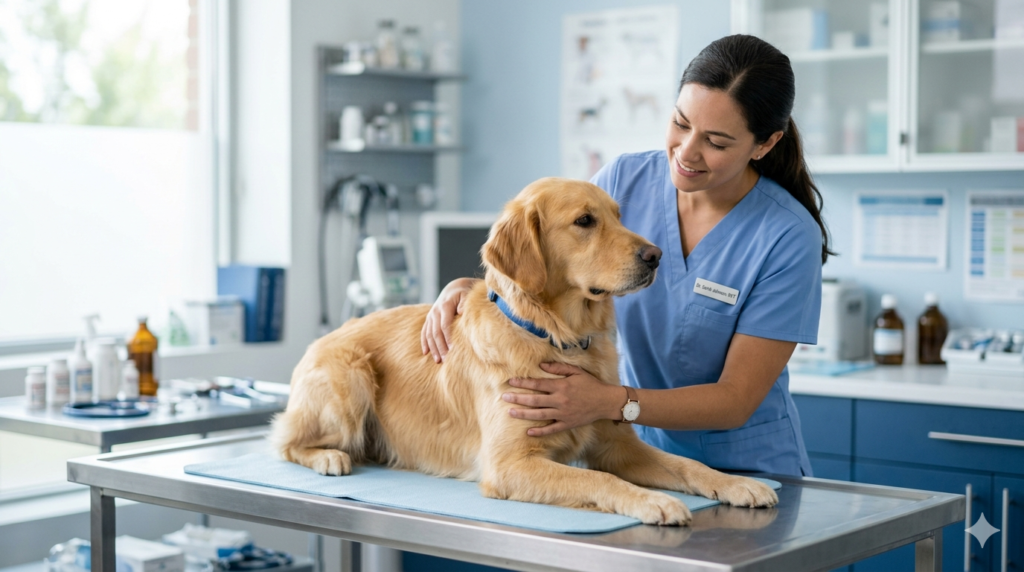

Hearing the words “your pet needs surgery” is one of those moments that catches every owner off guard, even when the procedure is something routine like a spay or a dental extraction. The good news is that the outcome of any operation depends heavily on what happens in the days leading up to it. A well-prepared pet recovers faster, handles anesthesia more safely, and gives the surgical team the cleanest possible starting point. At South Etobicoke Animal Hospital, our team walks owners through this preparation every single week, and the pattern is consistent: families who understand the process feel calmer, ask better questions, and end up with smoother experiences from check-in to recovery.
This guide covers everything you need to know before your pet goes in for a procedure at our Etobicoke clinic, from the first consultation through the morning of surgery. Whether your dog is scheduled for a mass removal or your cat is heading in for a dental extraction, the preparation principles overlap more than most people realise.
Why Pre-Surgical Preparation Matters More Than Most Owners Realise
Surgical outcomes are not decided in the operating room alone. They are shaped by everything that comes before: the bloodwork that catches a hidden kidney issue, the fasting that prevents aspiration, the conversation that flags a medication conflict before it becomes a complication. A 2024 review by the American Animal Hospital Association found that adherence to standardised pre-anesthetic protocols significantly reduces perioperative incidents in dogs and cats. That is not a marketing line. It is the reality of how modern veterinary medicine works.
Preparation also matters because pets cannot tell us how they are feeling. A dog who seems perfectly healthy on the outside can be quietly carrying liver enzyme abnormalities that affect anesthetic metabolism. Catching that beforehand is the difference between a routine procedure and an emergency intervention.
Pre-Surgical Consultations: What Happens at the First Appointment
The pre-surgical consultation is where the foundation gets laid. Owners often expect a quick chat, but a thorough consult typically takes thirty to forty minutes. Our veterinarians will ask about your pet’s full medical history, current medications (including supplements and over-the-counter products), past anesthetic reactions if any, recent vomiting or diarrhea, appetite changes, and exercise tolerance.
The Physical Exam Component
A physical assessment runs alongside the conversation. The vet listens to your pet’s heart and lungs, checks gum colour and capillary refill time, palpates the abdomen, evaluates lymph nodes, and assesses overall body condition. For senior pets or breeds prone to specific conditions, this exam might reveal something that changes the anesthetic protocol entirely.
Risk Stratification
Not every patient carries the same surgical risk. Brachycephalic breeds like French Bulldogs and Pugs need adjusted protocols because of their airway anatomy. Geriatric pets often need additional cardiac workup. Pets with diabetes, Cushing’s disease, or kidney concerns get individualised plans that may involve coordinating with our pet blood work and reference lab partners for deeper testing.
Diagnostic Testing: Bloodwork and Imaging Before the Day
This is the step that prevents bad surprises. Pre-anesthetic bloodwork checks organ function, hydration, red and white blood cell counts, and clotting ability. Even apparently healthy animals can have undetected issues, and bloodwork is the single most cost-effective way to find them.
For most planned procedures, our team recommends a complete blood count, a chemistry panel, and electrolyte assessment within two weeks of surgery. Senior pets or those with known conditions usually get additional testing such as thyroid panels, urinalysis, or coagulation profiles.
Imaging is the other half of the diagnostic picture. Chest radiographs are often recommended for senior pets or any animal with a history of respiratory or cardiac concerns. For abdominal surgeries, mass removals, or orthopaedic procedures, our team frequently uses advanced veterinary diagnostics including digital X-rays and ultrasound to map exactly what the surgeon will encounter.
The Canadian Veterinary Medical Association recognises pre-surgical diagnostics as a core component of safe veterinary practice, and it is one of the things that separates a modern clinic from a bare-bones operation.
Fasting and Medication Guidelines: The Most Common Owner Mistake
Fasting protocols are the area where owners most often slip up, and the consequences can be serious. Anesthesia causes the muscles around the stomach and esophagus to relax. If there is food in the stomach, it can come back up and be inhaled into the lungs, causing aspiration pneumonia. That is preventable, but only if owners follow the fasting timeline.
Standard Fasting Timeline
The general rule for most adult dogs and cats is to withhold food for eight to twelve hours before surgery. Water is usually allowed up until a few hours before the procedure, but follow whatever specific instructions our team provides because they depend on the procedure and your pet’s medical profile.
Exceptions That Trip Owners Up
Diabetic pets need modified protocols, not blanket fasting. Puppies and kittens under twelve weeks have higher hypoglycemia risk and require shorter fasts. Some giant breeds benefit from slightly different timing. Always confirm the specific window with your vet rather than assuming.
Medication Management
Most chronic medications, including thyroid, cardiac, and seizure medications, should be continued right through the morning of surgery, often with a small amount of food or a treat to help them go down. NSAIDs and certain supplements need to be paused well in advance because they can increase bleeding risk. Bring a written list of everything your pet takes, including herbal supplements and joint products, because owners often forget the “non-medical” items.
Surgical Safety Protocols at a Modern Veterinary Hospital
The protocols a clinic follows during surgery say a lot about the quality of care your pet will receive. At our veterinary hospital Etobicoke facility, every procedure follows a layered safety framework that includes:
- Dedicated anesthesia monitoring with continuous tracking of heart rate, blood pressure, oxygen saturation, body temperature, and end-tidal CO2
- IV catheter placement and maintenance fluids throughout the procedure to support blood pressure and hydration
- Warming devices to prevent intraoperative hypothermia, which is one of the most under-recognised risks in pet surgery
- Multi-modal pain management started before the first incision rather than after the pet wakes up
- A trained technician whose only job during the procedure is monitoring the patient, separate from the surgical team
These standards align with the American College of Veterinary Anesthesia and Analgesia recommendations for small animal practice and are now considered the baseline for any serious veterinary surgical program.
The Day Before and the Morning of Surgery
The 24 hours leading up to surgery are when owner preparation pays off most. Walk your dog earlier than usual so they have time to relieve themselves before the fasting window starts. Make sure your cat’s litter box is accessible. Bathe your pet a day or two before if needed (a clean coat reduces surgical site contamination), but skip the bath the morning of.
Pack a small bag with anything our team has requested: medication lists, recent bloodwork from another clinic if applicable, your pet’s regular food for the post-op recovery period, and a familiar blanket or toy if they are particularly anxious. Plan to arrive a few minutes early so check-in does not feel rushed. Anxious owners create anxious pets, so try to keep the morning calm and routine.
A Real Patient Story: Bella’s Pre-Op Journey
Last summer, a family from Mimico brought in their nine-year-old Cocker Spaniel, Bella, for a routine dental cleaning. During the pre-anesthetic bloodwork, our team flagged unexpectedly elevated liver enzymes. Bella had shown no symptoms at home; her family had no reason to suspect anything was wrong. Surgery was postponed, an abdominal ultrasound was performed, and a small gallbladder mucocele was identified before it could rupture. Bella underwent a planned cholecystectomy two weeks later with a modified anesthetic protocol, and she recovered fully. Her family later told us the dental was the best decision they ever made because it caught the bigger issue. That is the exact reason pre-surgical preparation matters.
Comparing Routine vs Emergency Surgical Preparation
Not every procedure allows for the same amount of preparation time. Here is how the two scenarios typically differ:
| Aspect | Routine/Elective Surgery | Emergency Surgery |
|---|---|---|
| Pre-op consultation | Days to weeks in advance | At time of presentation |
| Bloodwork | Done before scheduling | Done on arrival, expedited |
| Imaging | Pre-planned if needed | Performed urgently as part of triage |
| Fasting | 8 to 12 hours, planned | Whatever is possible; protocols adjusted |
| Medication adjustments | Made in advance | Managed in real time |
| Owner counselling | Detailed and unhurried | Compressed but thorough |
If your pet is in a sudden crisis, our emergency vet Etobicoke team handles emergency surgical preparation differently, with imaging, bloodwork, and stabilisation happening simultaneously. Either way, the goal is the same: a safe, well-monitored procedure with the best possible outcome.
Common Mistakes Owners Make Before Surgery
These are the mistakes our team sees most often, and they are all avoidable:
- Feeding the pet that morning because they “looked hungry”
- Forgetting to mention a supplement, joint chew, or topical medication
- Skipping the pre-anesthetic bloodwork to save time or money, then needing emergency tests later anyway
- Not asking about post-op recovery requirements until the day of pickup
- Assuming fasting rules are the same for puppies, seniors, and diabetic pets
- Failing to arrange a quiet, confined recovery space at home before surgery day
A short conversation during the consultation usually catches most of these. The goal is to set every patient up for the smoothest possible experience.
Suggested Infographic Idea
A vertical infographic titled “Your Pet’s Surgery Prep Timeline” showing five horizontal stages: two weeks before (consultation and bloodwork), one week before (medication review), 24 hours before (light meals, calm environment), 8 to 12 hours before (start fasting), and morning of surgery (water cutoff, transport). Use soft veterinary clinic colours, simple iconography of a dog and cat at each stage, and minimal text per panel.
Frequently Asked Questions
-
How long before surgery should my pet stop eating?
Most adult dogs and cats need to stop eating eight to twelve hours before their procedure. Water is generally allowed until a few hours before surgery, though our team will give you exact timing based on your pet’s age, weight, medical history, and the type of operation. Puppies, kittens, and diabetic pets follow different protocols. When in doubt, call us directly so we can confirm the right timing for your specific pet rather than guessing.
-
Is pre-anesthetic bloodwork really necessary for a young, healthy pet?
Yes, even in young pets who appear completely healthy. Bloodwork screens for hidden conditions like clotting disorders, liver enzyme abnormalities, or early kidney function changes that no physical exam can detect. Catching these issues before anesthesia allows our team to adjust drug choices and dosages. Skipping pre-op bloodwork to save time is one of the riskier shortcuts in pet surgery, and most owners agree the peace of mind is well worth it.
-
Should I continue my pet’s regular medications before surgery?
It depends on the medication. Most chronic prescriptions such as thyroid, seizure, and cardiac medications should be given as usual through the morning of surgery, sometimes with a small treat. Anti-inflammatory drugs and certain supplements need to be paused days in advance because they can increase bleeding. Always bring a complete list of everything your pet takes, including herbal supplements and joint chews, so our trusted veterinarian team can give specific guidance.
-
What should I bring with my pet on surgery day?
Bring any medications your pet currently takes, a list of supplements, and recent bloodwork or imaging records if they were done elsewhere. A familiar blanket or small toy can help anxious pets settle in recovery. If your pet eats a specific prescription diet, send a small portion for after the procedure. You will also want a leash for dogs and a secure carrier for cats. Arriving a few minutes early gives you time to handle any last consent paperwork without feeling rushed.
-
How can I book a pre-surgical consultation at your clinic?
You can book a vet appointment online or call our team at +1 (416) 201-9123 to schedule a consultation. We are located at 741 The Queensway in Etobicoke and serve pet families from Mimico, Long Branch, New Toronto, and across the Greater Toronto Area. For urgent surgical concerns, including suspected emergencies, please call ahead so our medical team can prepare for your pet’s arrival. Email questions to petcare@southetobicokeanimalhospital.ca.
Closing Thought
Preparation is the part of surgery owners can actually control, and that control matters more than most people realise. If your pet has a procedure coming up, take the time to ask questions, follow the fasting instructions carefully, and trust the diagnostic process. The smoother the prep, the smoother the day. For a deeper look at what specific operations involve, our team has also published a detailed guide on the common veterinary surgical procedures we perform for cats and dogs.
Your pet deserves a surgical experience built on careful preparation, honest communication, and a team that treats every patient like their own.