
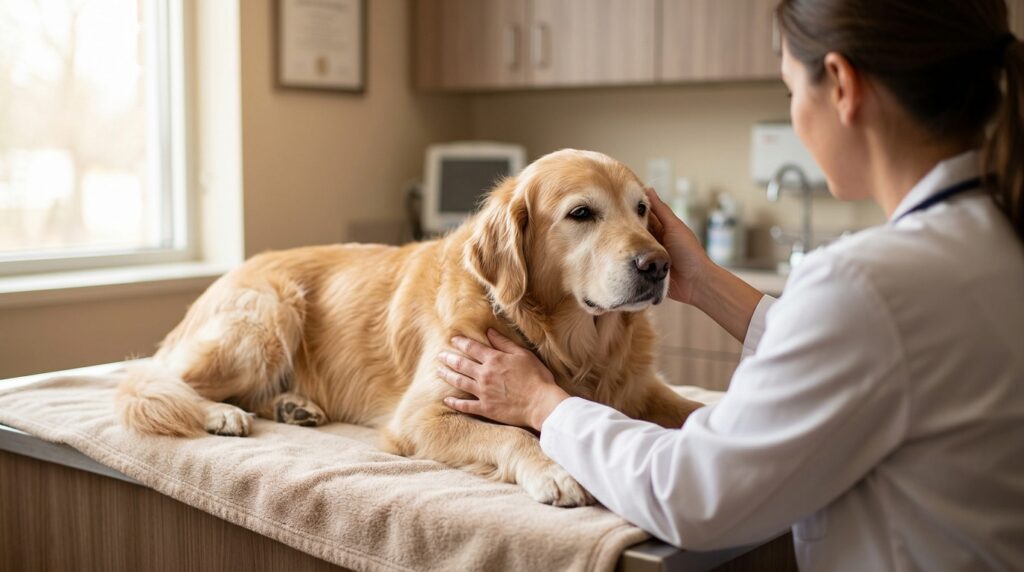

Saying goodbye to a pet is one of the hardest decisions a pet owner will ever face. If you are searching for guidance on the process, you are not alone, and you do not have to navigate it without support. As a trusted vet near you at South Etobicoke Animal Hospital, our team walks alongside families through every stage of this journey, from the first difficult conversation to aftercare. This guide explains what pet euthanasia involves, how to recognize when it may be time, and practical ways to prepare yourself, your children, and your other pets.
What Is Pet Euthanasia and When Should It Be Considered
Pet euthanasia is a medical procedure that allows a veterinarian to end a pet’s life peacefully and without pain, typically when an illness, injury, or the natural effects of aging have significantly reduced the animal’s quality of life. The word itself comes from Greek roots meaning “good death,” and that is exactly the intent behind the process: to prevent prolonged suffering and allow a pet to pass with dignity, surrounded by the people who love them.
Deciding when euthanasia is appropriate is rarely simple. Veterinarians generally encourage owners to think in terms of quality of life rather than a single symptom or diagnosis. A helpful framework many veterinary teams use looks at whether a pet can still eat and drink comfortably, move around without excessive pain, control their bladder and bowels, and experience more good days than bad. When those basic measures of comfort start slipping consistently, it is usually time to have an honest conversation with your veterinary team.
Common Signs a Pet May Be Nearing the End of Life
- Persistent loss of appetite or noticeable weight loss
- Difficulty standing, walking, or climbing stairs
- Labored breathing or frequent coughing at rest
- Chronic pain that no longer responds to medication
- Loss of interest in favorite people, toys, or activities
- Incontinence or loss of bladder and bowel control
- Confusion, disorientation, or significant behavioral changes
No single sign confirms it is time. These indicators are meant to be discussed together with your veterinarian, who can assess your pet’s overall condition and help you understand realistic expectations for comfort and recovery.

The Pet Euthanasia Process at South Etobicoke Animal Hospital
Understanding the practical steps involved can ease a lot of the fear surrounding this decision. While every situation is unique, the process generally follows a consistent, gentle structure.
Before the Appointment
Once you and your veterinarian agree that euthanasia is the kindest option, you will typically schedule a dedicated appointment rather than an emergency visit, unless your pet is in acute distress. This gives you time to say goodbye without feeling rushed. Many families choose to spend a final day at home with their pet, offering favorite treats or a last walk, before coming in for the appointment.
During the Procedure
The process usually begins with a calming sedative so your pet feels relaxed and drowsy before anything further happens. Once your pet is settled, a second injection is administered, which gently and painlessly stops the heart. Pets typically pass within moments, often appearing as though they have simply fallen into a deep sleep. Family members are welcome to be present and hold or comfort their pet throughout, as many owners find this presence brings comfort to both them and their companion.
Aftercare and Cremation Options
After the procedure, your veterinary team will walk you through aftercare choices, including private cremation, where your pet’s ashes are returned to you, or communal cremation. There is no pressure to decide immediately, and staff are available to answer questions calmly and without rushing you. Families in the area searching for pet euthanasia near me can expect this same unhurried, compassionate approach at every step, along with guidance on memorial options that feel right for your family.
In-Clinic vs In-Home Pet Euthanasia: A Comparison
Some families wonder whether an in-clinic appointment or an in-home service is the better fit. Both options prioritize comfort, but they differ in a few practical ways worth considering.
| Factor | In-Clinic Euthanasia | In-Home Euthanasia |
|---|---|---|
| Environment | Familiar veterinary setting with full medical support on hand | Pet’s own home, which may reduce travel-related stress |
| Scheduling | Dedicated appointment slots, often same-week availability | Depends on provider availability, which can vary |
| Medical oversight | Immediate access to full clinical equipment if needed | Limited equipment compared to a hospital setting |
| Cost considerations | Standard clinic pricing structure | Often includes a travel or house-call component |
| Family involvement | Private, quiet exam rooms designed for this purpose | Pet remains in familiar surroundings with no travel required |
Neither option is universally “better.” Some pets feel calmer at home, while others are already comfortable with clinic visits and show little added stress there. Discussing both paths with your veterinarian can help you choose what feels right for your pet’s temperament and your family’s needs.
How to Prepare Emotionally and Practically
Preparation does not make the loss painless, but it can make the day itself feel less overwhelming.
Preparing Yourself and Your Family
Give yourself permission to grieve before, during, and after the appointment. It can help to write down memories, take a few final photographs, or simply spend quiet time together in the days leading up to the visit. If you know you will want to be present during the procedure, let the veterinary team know in advance so they can prepare the space accordingly.
Preparing Children for Pet Loss
Children often process pet loss differently than adults, and honesty in age-appropriate language tends to help more than euphemisms. Explaining that the veterinarian is helping the pet stop hurting, rather than saying the pet “went to sleep,” can prevent confusion or anxiety around actual sleep. Involving children in a small goodbye ritual, such as drawing a picture or writing a letter, can also give them a healthy outlet.
Preparing Other Pets in the Household
Surviving pets frequently notice a companion’s absence and may show changes in appetite, sleep, or vocalization. Allowing a surviving pet to briefly see or smell their companion’s body before cremation, when feasible, can sometimes help them process the loss. Maintaining normal routines in the days that follow also supports their adjustment.
A Family’s Journey: Choosing Comfort Over Fear
Many of the families we support arrive at this decision after weeks or months of watching a senior pet slow down. One scenario we see often involves an aging dog who has stopped greeting the family at the door, struggles to climb stairs, and has good mornings followed by difficult evenings. After a thorough examination and an honest conversation about prognosis, the family chooses to schedule a calm, planned goodbye rather than waiting for an emergency. They describe the experience afterward not as easy, but as peaceful, and are grateful they were able to say goodbye on their own terms, surrounded by the people their pet loved most. This kind of planned, compassionate transition is what our team aims to provide for every family we support.
Coping With Grief After Pet Loss
Grief after losing a pet is real and deserves the same care as any other significant loss. It is common to experience waves of sadness, guilt over the decision, or even relief that your pet is no longer suffering, sometimes all in the same day. None of these reactions are unusual. Staying connected with supportive friends, considering a memorial such as a paw print keepsake or planting a tree, and giving yourself time before making decisions about a new pet can all support healthy grieving. Regular senior wellness exams throughout a pet’s life can also help families and veterinarians catch quality-of-life changes early, so decisions never have to be made in a rush.
For additional science-based guidance, the AVMA’s guidelines for the humane euthanasia of animals outline the veterinary standards behind the process, while the Cornell University Pet Loss Support Hotline offers a dedicated resource staffed by trained volunteers for anyone struggling with grief. The Ontario SPCA’s Pet Loss Support Resources also provide grief support tools for adults and children alike. You can also read real experiences from other families we have supported through difficult moments like these.
Frequently Asked Questions About Pet Euthanasia in Etobicoke
-
Is pet euthanasia painful for my pet?
No. The process begins with a sedative that helps your pet relax and feel drowsy, so they are calm and comfortable before the final injection is given. Most pets simply appear to fall asleep peacefully. Veterinarians closely monitor your pet throughout to ensure comfort at every stage, and the entire procedure is designed to be as gentle and painless as possible for your companion.
-
How do I know if it is the right time for my pet?
There is no single sign that confirms it is time. Veterinarians typically look at overall quality of life, including appetite, mobility, pain levels, and whether your pet has more comfortable days than difficult ones. A quality-of-life assessment with your veterinarian can help you evaluate these factors together and make a decision you feel confident and at peace with.
-
Can my whole family be present during the procedure?
Yes, families are welcome to be present throughout the process if they choose. Many owners find that staying close and comforting their pet during their final moments brings peace to both the pet and the family. Our team creates a calm, private, and unhurried environment so you can say goodbye in whatever way feels most meaningful to you.
-
What happens to my pet’s remains afterward?
Families can choose between private cremation, where your pet’s individual ashes are returned to you, or communal cremation. Our team explains both options clearly and without pressure, so you can choose what feels right for honoring your companion. There is no need to decide on the spot, and staff are available to answer any follow-up questions afterward.
-
How can I help my children cope with the loss?
Using honest, age-appropriate language rather than euphemisms tends to reduce confusion and fear for children. Explaining that the veterinarian is helping a suffering pet feel better, rather than saying they “went to sleep,” can prevent unintended anxiety. Involving children in a small goodbye ritual, such as a drawing or a shared memory, often helps them process the loss in a healthy, supported way.
-
Should I get a new pet right away after saying goodbye?
There is no set timeline for grieving, and rushing into a new pet before you feel ready can sometimes make the adjustment harder for both you and the new animal. Take the time you need to grieve fully. When you do feel ready, many families find comfort in honoring their previous pet’s memory while welcoming a new companion into the home.
Every goodbye looks different, and there is no wrong way to grieve a companion who gave you so much love.