
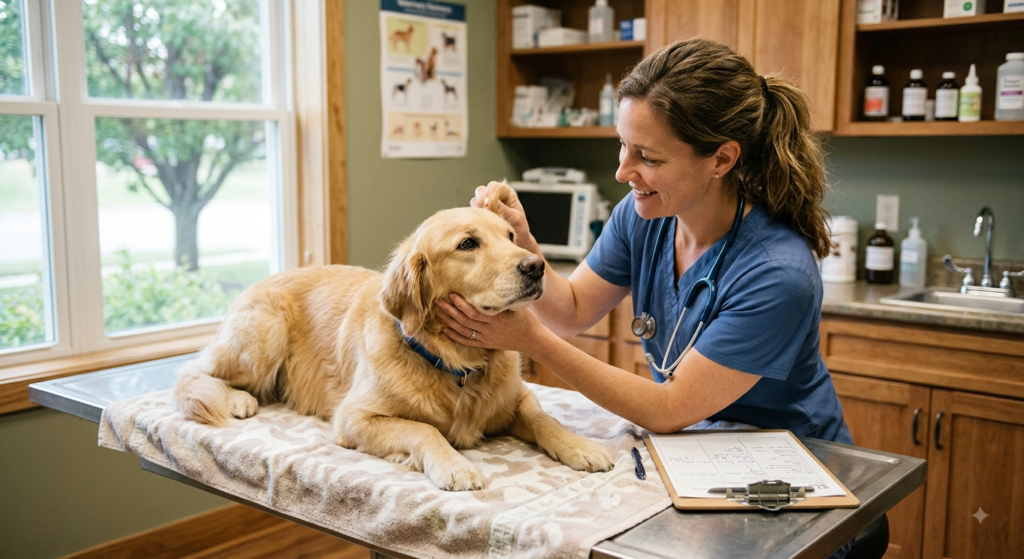

Bringing a pet in for a routine checkup can feel like a mystery if you have never sat through one before. You know it matters, but you might not know exactly what your veterinarian is looking for or why certain steps come before others. At South Etobicoke Animal Hospital, a pet wellness exam is built around one simple idea: catching small changes before they become big problems. This guide walks through every stage of a typical visit so you know exactly what to expect the next time you book one for your dog or cat.
What Is a Pet Wellness Exam?
A pet wellness exam is a scheduled, head-to-tail health assessment performed on a pet that appears healthy. Unlike a sick visit, which focuses on solving one specific problem, a wellness checkup near me looks at the whole animal. The veterinarian reviews body systems, discusses lifestyle and diet, updates vaccines when due, and screens for early signs of disease that might not be visible at home.
This distinction matters because pets are experts at hiding discomfort. A dog with early arthritis might just seem a little slower on walks. A cat with developing kidney disease may show no outward symptoms at all until the condition has progressed. An annual pet exam gives a trained professional the chance to notice what an owner, understandably, might miss during everyday life with a pet.
The team’s wellness and preventative pet care program is built specifically around this philosophy: identify problems early, build a personalized plan, and adjust that plan as a pet moves through different life stages.
Why Wellness Exams Matter More Than You Think
Preventive care is consistently cited by veterinary organizations as the single most effective way to extend a pet’s healthy years. The American Veterinary Medical Association explains that identifying health issues early gives pets a better chance at longer lives while keeping long-term medical costs lower. That is the entire purpose behind a pet health checkup: it shifts the relationship between owner and veterinarian from reactive to proactive.
There is also a financial and emotional argument for regular visits. A dental problem caught early might mean a simple cleaning. Left unaddressed for a year or two, it can progress to extractions, infection, and pain that could have been avoided. The same logic applies to weight gain, joint issues, and organ function. Small interventions now are almost always less invasive and less stressful than major interventions later.
The Step-by-Step Wellness Exam Process
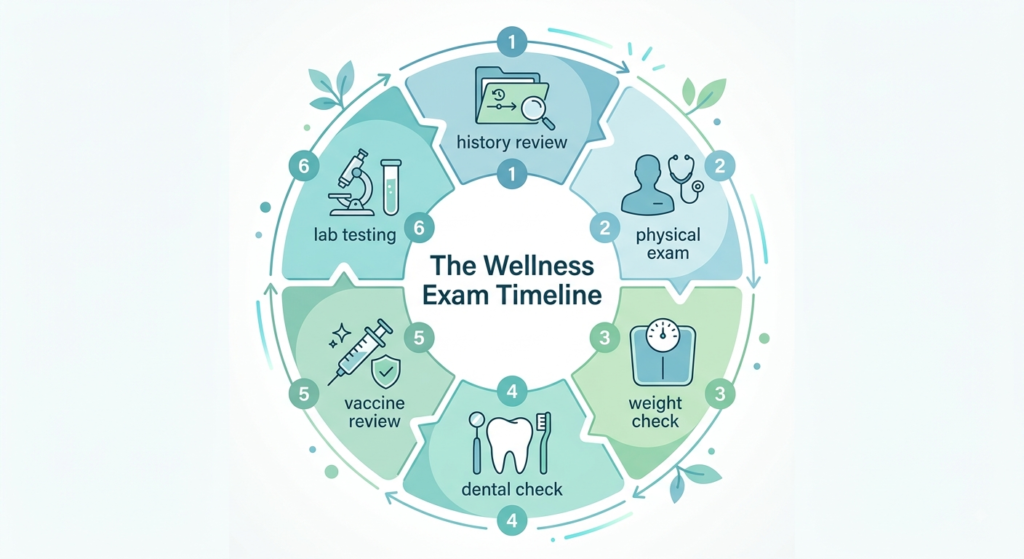
Every wellness visit follows a similar structure, even though the specific findings and recommendations vary by pet. Here is what actually happens once you and your pet are in the exam room.
Health History and Behavior Review
The visit typically opens with a conversation. The veterinary team will ask about appetite, water intake, energy levels, litter box or bathroom habits, and any behavioral changes you have noticed since the last visit. This is also your opportunity to raise concerns, no matter how minor they seem. A slight limp, a new habit of hiding, or a change in how much your pet sleeps can all be meaningful clues.
Nose-to-Tail Physical Examination
Next comes the hands-on portion of the pet wellness exam. The veterinarian works through each body system in a consistent order: eyes, ears, nose, mouth, skin and coat, heart and lungs (using a stethoscope), abdomen, lymph nodes, joints, and neurological responses. This methodical approach means nothing gets skipped, and it allows the vet to compare findings against previous visits to spot subtle trends over time.
Weight and Body Condition Scoring
Weight is recorded at every visit and compared against a body condition score, which evaluates how much fat and muscle a pet is carrying relative to their frame. Gradual weight gain or loss often goes unnoticed by owners who see their pet every day, but it can be an early indicator of thyroid disease, diabetes, arthritis, or dietary imbalance.
Dental and Oral Health Check
The mouth gets particular attention during a wellness checkup near me because dental disease is one of the most common, and most under-recognized, health issues in pets. The veterinarian checks for tartar buildup, gum inflammation, broken teeth, and odor, all of which can signal problems that extend beyond the mouth if left untreated.
Vaccination and Parasite Prevention Review
Your pet’s vaccination history is reviewed and updated based on age, lifestyle, and exposure risk. Not every pet needs every vaccine, so this conversation is tailored rather than automatic. Parasite prevention, including protection against fleas, ticks, heartworm, and intestinal parasites, is discussed at the same time since both topics are closely tied to lifestyle and season.
Diagnostic Testing
For many pets, especially adults and seniors, the veterinarian may recommend bloodwork, urinalysis, or fecal testing as part of the visit. These screenings can catch organ dysfunction, infections, or metabolic issues long before physical symptoms appear. When more detailed analysis is needed, results are supported by veterinary lab tests that provide a fuller picture of internal health beyond what a physical exam alone can reveal.
Puppy and Kitten Exams vs. Adult and Senior Exams
A wellness exam is not one-size-fits-all. The focus, frequency, and testing recommendations shift as your pet ages.
| Life Stage | Typical Frequency | Primary Focus |
|---|---|---|
| Puppy or Kitten (under 1 year) | Every 3-4 weeks during vaccine series | Vaccination schedule, growth tracking, parasite screening, socialization guidance |
| Adult (1-6 years) | Annually | Physical assessment, weight management, dental health, lifestyle-based vaccines |
| Senior (7+ years) | Every 6 months | Bloodwork, organ function screening, mobility and joint evaluation, cognitive changes |
| Pets with chronic conditions | As recommended by your veterinarian | Medication monitoring, disease progression tracking, quality-of-life assessment |
Senior pets, in particular, benefit from more frequent visits. The Cornell Feline Health Center notes that older cats are especially skilled at masking illness, and a medical problem can be quite advanced before any outward sign appears. Twice-yearly exams give veterinarians a much better chance of catching those changes while they are still manageable.
What to Bring to Your Pet’s Wellness Exam
A little preparation helps your veterinarian make the most of the appointment. Before your visit, gather the following:
- Any previous medical records, especially if you are seeing a new veterinarian
- A current list of medications and supplements, including dosages
- A written list of questions or concerns, even ones that feel minor
- Notes on recent changes in appetite, energy, or bathroom habits
- Information about your pet’s diet, treats, and exercise routine
If you are a new patient, the clinic’s new patient center walks through everything you need before your first appointment, so there are no surprises when you arrive.
Real Story: How a Routine Wellness Exam Caught Kidney Disease Early
Not every wellness visit uncovers a hidden issue, but when one does, the difference it makes can be significant. During a senior wellness exam for a cat named Oliver, routine bloodwork revealed early-stage chronic kidney disease, a condition that is common in older cats and often silent in its early phase. Because the disease was caught before symptoms appeared, the veterinary team was able to build a management plan that included a prescription kidney diet, supportive medication, and a more frequent monitoring schedule.
Oliver’s owner later described how the early diagnosis changed the trajectory of his care, giving him a strong quality of life for years afterward instead of a sudden crisis. You can read more real accounts like this one in the hospital’s patient stories from Etobicoke pet families, which highlight exactly why preventive visits are worth prioritizing even when a pet seems perfectly fine.
How Often Should Your Pet Have a Wellness Exam?
Veterinary guidelines from the American Animal Hospital Association recommend that every dog and cat receive at least one veterinary examination per year, with more frequent visits appropriate for puppies, kittens, seniors, and pets managing ongoing health conditions. As a general guide:
- Puppies and kittens need several visits during their first year for vaccines and development checks
- Healthy adults typically do well with one comprehensive exam per year
- Senior pets benefit from exams every six months
- Pets with diagnosed conditions may need quarterly or more frequent monitoring
Your veterinarian will help tailor this schedule based on breed, health history, and lifestyle rather than applying a blanket rule to every pet.
Signs That Mean You Shouldn’t Wait for the Annual Visit
Some symptoms warrant an appointment sooner than your next scheduled checkup. Contact your veterinary team if you notice:
- Sudden changes in appetite or water consumption
- Unexplained weight loss or gain
- Lethargy or reluctance to exercise
- Limping, stiffness, or difficulty rising
- Changes in bathroom habits or accidents in the house
- New lumps, bumps, or skin irritation
- Bad breath, drooling, or reluctance to eat hard food
A wellness exam is designed for healthy pets on a routine schedule, but these warning signs deserve attention before that scheduled date arrives.
Frequently Asked Questions
-
What is included in a standard pet wellness exam?
A standard wellness exam includes a full physical assessment covering the eyes, ears, mouth, heart, lungs, abdomen, skin, and joints, along with weight tracking, a health history discussion, vaccination review, and parasite prevention planning. Depending on your pet’s age and health status, your veterinarian may also recommend bloodwork or other diagnostic screening during the same visit to check internal organ function.
-
How long does a pet wellness exam take?
Most wellness exams take between 20 and 40 minutes, depending on your pet’s age, temperament, and whether additional testing is performed. Puppy and kitten visits sometimes run a little longer since they involve vaccine series planning and more detailed developmental discussion. Senior pet visits can also take extra time if bloodwork or imaging is recommended alongside the physical exam.
-
Do indoor pets still need regular wellness exams?
Yes, indoor pets still need annual or semi-annual exams. Dental disease, obesity, thyroid imbalances, and kidney issues can all develop regardless of whether a pet ever goes outside. Indoor cats in particular are skilled at hiding illness, which makes scheduled checkups even more important for catching subtle changes that are easy to overlook during daily life at home.
-
At what age is a pet considered a senior for wellness visits?
Most dogs are considered senior around seven years of age, though large and giant breeds often reach this stage earlier. Cats are generally classified as senior starting around ten to twelve years old. Once a pet reaches this stage, veterinarians typically recommend moving from annual to semi-annual wellness exams to monitor age-related changes more closely and catch developing conditions sooner.
-
Can a wellness exam include bloodwork and lab testing?
Yes, bloodwork and lab testing are commonly recommended as part of a wellness visit, especially for adult and senior pets. These tests screen for organ function, blood cell counts, and metabolic markers that cannot be evaluated through a physical exam alone. Testing frequency depends on your pet’s age and health history, and your veterinarian will explain which screenings make sense for your specific pet.
-
What should I do to prepare my pet for a wellness exam?
Bring any previous medical records, a list of current medications, and notes on any behavior or appetite changes you’ve noticed. It also helps to write down questions in advance so nothing gets forgotten during the appointment. If your pet gets anxious during car rides or vet visits, arriving a few minutes early to let them settle in the waiting area can make the whole experience calmer.
A wellness exam is one of the simplest ways to give your pet a longer, healthier life, and the best time to schedule one is before anything seems wrong.