
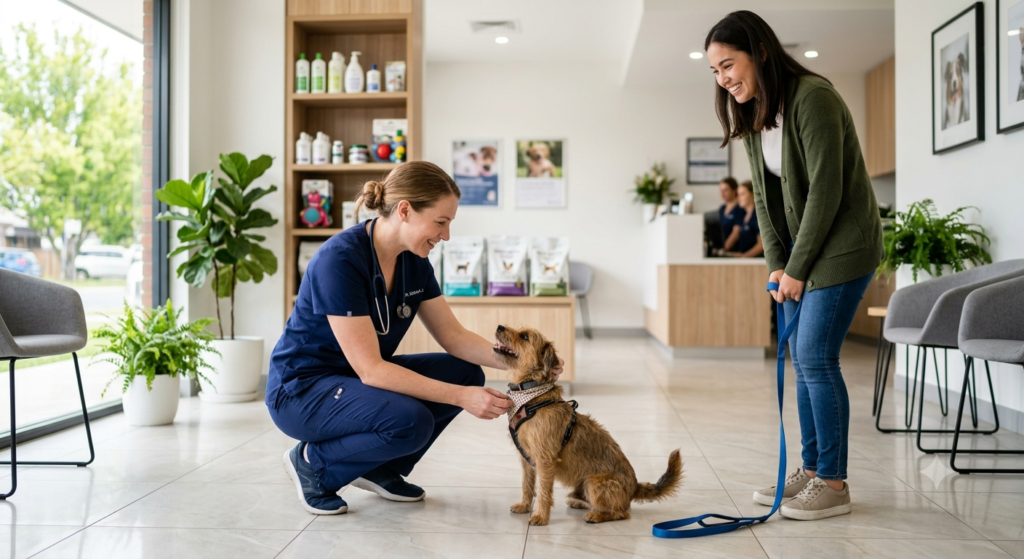

Picking a veterinarian is one of those decisions that quietly shapes your pet’s entire life. It affects how quickly illness gets caught, how comfortable your pet feels during checkups, and how confident you feel every time something seems off. At South Etobicoke Animal Hospital, we meet new pet owners every week who are trying to figure out exactly what separates a good clinic from a great one. This guide breaks down the credentials, questions, and red flags worth knowing before you commit to a veterinarian in Etobicoke or anywhere else.
Why Choosing the Right Veterinarian Matters So Much
A veterinarian is not just someone you see when your pet is sick. Over years of visits, they build a working knowledge of your pet’s baseline health, temperament, and history, which makes it easier to catch small changes before they become serious problems. Switching vets repeatedly can create gaps in that continuity, so it is worth taking time upfront to find a clinic you trust rather than defaulting to whichever option is closest or first in a search result.
The relationship also matters because you will be making decisions together during stressful moments, whether that is discussing a diagnosis or weighing treatment options. A veterinarian who communicates clearly and treats your questions with patience makes those conversations far less overwhelming. The American Veterinary Medical Association recommends approaching this decision with the same care used when choosing a physician or dentist, weighing location, communication style, and services offered.
Credentials and Licensing: The Non-Negotiables
Before anything else, confirm that the clinic and its veterinarians are properly licensed to practice.
Checking a Veterinarian’s License in Ontario
In Ontario, every practicing veterinarian must be licensed through the College of Veterinarians of Ontario, which maintains a public register of licence status, education, and practice history. This is a free, quick way to confirm that a clinic’s veterinarians are in good standing before you ever book an appointment. It is a step many pet owners skip, but it takes only a few minutes and removes any doubt about a veterinarian’s qualifications.
Signs of a Trusted Veterinarian
A trusted veterinarian tends to show the same handful of qualities regardless of clinic size or location.
- They explain things clearly. A good vet walks you through a diagnosis or treatment plan in plain language instead of rushing through medical terms.
- They welcome questions. You should never feel like a question is a bother, especially during a first visit.
- They focus on prevention, not just treatment. Clinics that prioritize wellness exams and early screening tend to catch problems sooner.
- Their team is consistent. High staff turnover can be a sign of deeper issues within a practice.
- They are transparent about referrals. A trustworthy vet will refer you to a specialist when a case is outside their scope rather than attempting everything in-house.
Red Flags to Watch For When Evaluating a Vet Clinic
Just as there are signs of a trustworthy clinic, there are warning signs worth taking seriously.
- A clinic that cannot clearly explain why a particular test or treatment is being recommended
- Staff who seem rushed, dismissive, or unwilling to answer basic questions
- A facility that appears consistently unclean or disorganized during visits
- Reluctance to share a veterinarian’s credentials or licensing information when asked
- Pressure to make quick decisions without time to consider options
None of these signs alone means a clinic is unsafe, but a pattern of several should prompt a closer look or a second opinion. The American Animal Hospital Association offers a similar breakdown of considerations for pet owners evaluating a new clinic.
Questions to Ask Before Your First Appointment
A short list of questions can save a lot of guesswork later.
- What is your approach to preventive care and wellness exams?
- Do you have in-house diagnostics, or do you send tests to outside labs?
- How do you handle after-hours emergencies if my regular vet is unavailable?
- Can I be present during my pet’s examination and any minor procedures?
- How do you communicate results and next steps after a visit?
Asking these questions upfront, whether over the phone or during a first visit, gives you a much clearer picture than a website alone ever could.
Starting Your Search the Right Way
Most pet owners begin their search with a quick online lookup, and that is a reasonable starting point as long as it is not the only step. A short list narrowed down to three or four clinics is usually enough to compare meaningfully without the process dragging on for weeks.
- Start with proximity and hours. A clinic that is difficult to reach during an emergency loses much of its value no matter how skilled the team is.
- Call before you commit. A two-minute phone call about diagnostics, referrals, and communication style often tells you more than an hour of reading reviews.
- Ask about your pet’s specific needs. A senior pet with ongoing conditions has different requirements than a healthy young puppy, and it helps to mention that upfront.
- Consider the full picture, not a single detail. Location matters, but so does communication, cleanliness, and the range of services available on-site.
Treat the first visit as a two-way evaluation. You are assessing the clinic just as much as they are assessing your pet, and a good veterinary team will understand and welcome that.
Comparing Vet Clinic Types
Not every clinic operates the same way, and understanding the differences helps you set realistic expectations.
| Clinic Type | Typical Focus | Best Suited For |
|---|---|---|
| General practice | Wellness exams, vaccines, minor procedures | Everyday preventive and routine care |
| Full-service animal hospital | Wellness care plus in-house diagnostics, surgery, and urgent visits | Pet owners who want continuity across most needs |
| Emergency-only clinic | After-hours and critical care | Sudden, severe symptoms outside regular hours |
| Specialty referral clinic | Advanced or specific conditions | Cases referred by a general vet for specialized treatment |
Many pet owners end up choosing a full-service animal hospital specifically because it reduces the number of separate clinics involved in a pet’s care.
How Local Reputation and Reviews Fit Into Your Decision
Online reviews are a useful starting point, but they work best as one input among several rather than the deciding factor. Look for patterns across many reviews rather than focusing on a single glowing or negative comment. Pet owners often search using their own neighborhood name, whether that means looking for the best vet in South Riverdale or a veterinarian in Etobicoke, Ontario, and the same evaluation checklist applies no matter where the search starts. Word of mouth from neighbors, groomers, or local shelters can also point you toward a trusted vet near me that fits your specific needs.
Case Story: A Family’s Search for the Right Vet in Long Branch
A family in Long Branch had been driving across the city to their previous veterinarian for years after a move, mostly out of habit. When their senior dog needed more frequent visits for arthritis management, the long drive became impractical. They started by checking licensing through the provincial register, then called two nearby clinics with a short list of questions about in-house diagnostics and after-hours support. One clinic answered every question directly over the phone and offered to schedule a meet-and-greet visit before any procedures were needed. That transparency, combined with a clean and organized facility during the tour, made the decision easier than they expected. Within a few months, their dog was comfortable with the new team, and the family no longer dreaded the drive to a vet visit.
What a Trusted Veterinary Team Looks Like in Practice
A veterinarian in Etobicoke, Ontario who takes the time to answer questions, explain findings, and involve you in decisions is applying the same principles outlined throughout this guide. Clinics offering a top rated vet near me experience typically combine licensed, experienced veterinarians with a full range of services under one roof, which reduces the need to coordinate between multiple providers for routine and more involved care alike.
If you are ready to bring your pet in for a first visit, you can review what to expect and book a first appointment online before you arrive. For a broader look at what a full-service clinic offers day to day, our complete guide to veterinary care in Etobicoke covers the range of services pet owners typically rely on throughout the year.
Frequently Asked Questions
-
What credentials should I check before choosing a veterinarian in Etobicoke?
Confirm that the veterinarian is licensed through the College of Veterinarians of Ontario, which maintains a public register of active licences and practice history. This step takes only a few minutes and removes uncertainty about a clinic’s legitimacy. Beyond licensing, look for continuing education, clear communication, and a clean, well-organized facility. These combined factors give a much fuller picture than credentials alone.
-
How do I know if a veterinarian is trustworthy?
A trustworthy veterinarian explains diagnoses and treatment options clearly, welcomes questions without rushing, and recommends referrals when a case falls outside their expertise. Consistency among staff and a clear focus on preventive care are also strong indicators. Reviews can help, but patterns across many reviews matter more than any single comment. Trust tends to build gradually across a few visits rather than being obvious immediately.
-
Should I visit a vet clinic before booking my pet’s first appointment?
Visiting or calling ahead is a reasonable step, especially if you plan to make this your pet’s long-term clinic. A short conversation about diagnostics, emergency handling, and communication style often reveals more than a website alone. Many clinics are happy to answer questions over the phone before your first visit. This small step can prevent the need to switch vets again shortly after your first appointment.
-
Is it normal to switch veterinarians if I am not happy with my current one?
Yes, switching veterinarians is common and reasonable if communication feels rushed, questions go unanswered, or you simply do not feel comfortable with the care approach. Your pet’s medical records can typically be transferred to a new clinic with your permission. It is worth giving feedback directly first if the relationship is otherwise solid. If concerns persist, prioritizing your comfort and your pet’s care is a valid reason to make a change.
-
What is the difference between a general practice vet and an emergency vet clinic?
A general practice vet handles wellness exams, vaccinations, and most non-urgent care, while an emergency clinic focuses specifically on sudden, severe symptoms outside regular hours. Many full-service animal hospitals combine both functions, offering routine care alongside urgent and after-hours support. This reduces the need to coordinate between multiple providers when something unexpected happens. Asking about after-hours availability upfront helps clarify which category a clinic falls into.
Finding the right veterinarian takes a little research, a few good questions, and a bit of patience, but it pays off every single time your pet needs care.