

Choosing to spay or neuter a pet is one of the most common decisions Etobicoke pet owners make, and it is also one of the most misunderstood. Between conflicting advice from breeders, online forums, and well-meaning neighbours, it is easy to end up more confused than when you started. At South Etobicoke Animal Hospital, this guide draws on what our veterinary team routinely explains to clients in exam rooms, before, during, and after the procedure, so you can walk into surgery day with a clear picture of what to expect.
What Spay and Neuter Surgery Actually Involves
Spaying and neutering are two different operations, and understanding the distinction helps set realistic expectations for recovery.
Spaying: What Happens to Female Pets
Spaying, medically known as an ovariohysterectomy, removes a female dog or cat’s ovaries and uterus under general anesthesia. The surgery closes off the source of reproductive hormones, which ends heat cycles permanently and eliminates the possibility of pregnancy. It typically takes between twenty and forty-five minutes, depending on the animal’s size, age, and whether she has already gone through a heat cycle.
Neutering: What Happens to Male Pets
Neutering, or castration, removes the testicles in male dogs and cats. It is a shorter and generally less invasive procedure than a spay, often completed in fifteen to thirty minutes. Removing the testicles cuts off testosterone production, which is the hormone responsible for many of the behaviors owners find frustrating, including roaming, marking, and mounting.
Both procedures are among the most frequently performed veterinary surgical procedures in general practice, and decades of refinement in anesthesia and pain control have made them remarkably safe and predictable for healthy pets.
Anesthesia Safety and Monitoring During Surgery
General anesthesia is required for both spays and neuters, and safety comes down to consistent monitoring rather than the procedure itself being risky. Throughout surgery, a veterinary technician tracks heart rate, respiration, blood pressure, and oxygen saturation continuously, adjusting anesthesia depth in real time as needed. Pain control typically starts before the first incision, using a combination of injectable medication during surgery and take-home pain relief for the days that follow. This layered approach to pain management is a major reason recovery has become so predictable compared with decades past, when post-operative discomfort was harder to manage consistently.
Why Spay and Neuter Surgery Matters for Your Pet’s Health
The decision to spay or neuter goes beyond preventing unplanned litters, though that remains a significant reason on its own. According to the American Veterinary Medical Association, spayed and neutered dogs and cats tend to live longer on average than intact animals, a pattern researchers attribute partly to the health and behavioral advantages of the surgery.
Health Benefits for Female Pets
Spaying before a female’s first heat cycle dramatically lowers her lifetime risk of mammary tumors and removes the possibility of pyometra, a life threatening uterine infection that sends pets to emergency clinics with striking regularity. Pyometra almost always requires urgent surgical intervention, so preventing it in the first place is one of the clearest long term benefits of early spaying.
Health Benefits for Male Pets
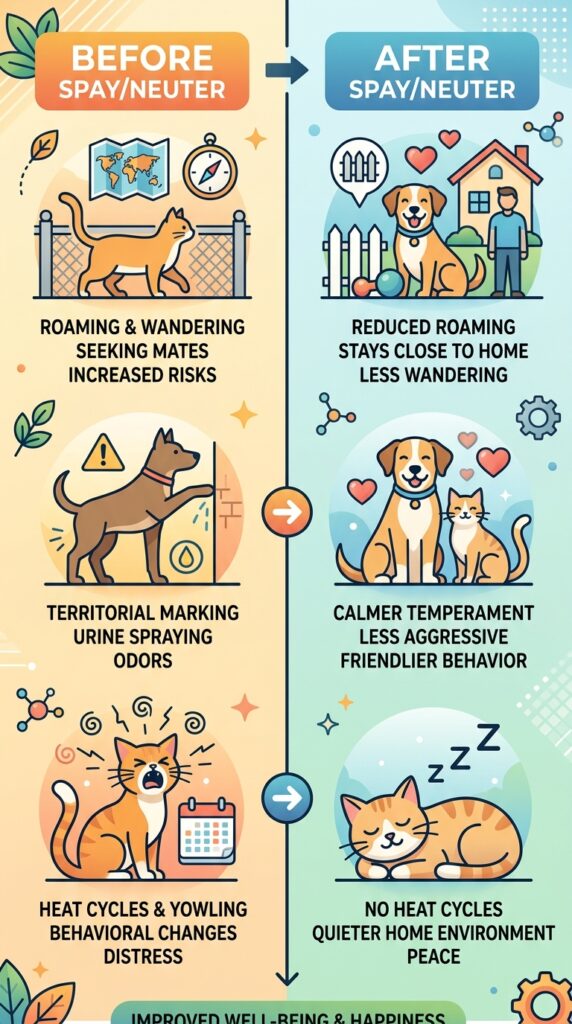
Neutering eliminates the risk of testicular cancer entirely and substantially reduces the likelihood of prostate disease later in life. Male cats in particular tend to benefit from noticeably calmer behavior, since much of the drive to fight, roam, and spray indoors is tied directly to testosterone.
Community and Behavioral Benefits
Beyond individual health, spay and neuter surgery plays a role in the wider community. The Ontario SPCA and Humane Society reported completing over nine thousand spay and neuter procedures in a single recent year alone, preventing hundreds of thousands of potentially homeless kittens and puppies across the province. Every pet that is spayed or neutered is one less contributor to shelter overcrowding in the Greater Toronto Area.
The Best Age and Timing for Spay or Neuter Surgery
Timing recommendations have evolved as veterinary research has matured, and the right age often depends on breed and size rather than a single fixed number.
Timing for Puppies and Kittens
Most veterinarians recommend spaying or neutering cats and small to medium breed dogs between four and six months of age, generally before the first heat cycle in females. Kittens are frequently sterilized close to five months of age, a benchmark widely supported across the veterinary and animal welfare community.
Special Considerations for Larger Breeds
Large and giant breed dogs are often better served by waiting closer to twelve to eighteen months. Growth plates in bigger dogs close later, and breed-specific research from the American Veterinary Medical Association suggests waiting until skeletal maturity may reduce the risk of certain joint and orthopedic issues in select large breeds. This is exactly why a one-size-fits-all recommendation does not serve every dog well, and why a conversation with your veterinarian about your specific pet’s breed and lifestyle matters more than a generic rule.
Senior Pets and Spay or Neuter Surgery
Older pets can still safely undergo spay or neuter surgery when medically indicated, such as a female dog developing pyometra later in life. Pre-surgical bloodwork becomes especially important for senior patients to confirm organ function can tolerate anesthesia safely.
The Canadian Veterinary Medical Association’s position statement supports spaying and neutering shelter animals prior to sexual maturity as a responsible approach to population control, a stance that reflects broad consensus across the Canadian veterinary community rather than a single clinic’s opinion. That consensus is exactly why timing conversations with your veterinarian carry real weight. A general guideline can point you in the right direction, but your pet’s individual breed, size, and health history are what should ultimately shape the decision.
Preparing Your Pet for Surgery Day
A little preparation goes a long way toward a smooth surgical experience.
Pre-Surgical Bloodwork and Exam
Before any procedure, pets undergo a physical exam and pre-anesthetic bloodwork to check kidney and liver function. This step catches underlying issues that might otherwise complicate anesthesia, and it is a routine part of any pet wellness exam as well.
Fasting Instructions
Most pets need to fast overnight before surgery, typically from around ten o’clock the night before, since food in the stomach increases the risk of complications under anesthesia. Water is usually still permitted up until the morning of the appointment, but your veterinary team will confirm the exact timing for your pet.
What to Bring and Expect at Drop-Off
Bring your pet in a secure carrier or on a leash, along with any current medications they take regularly. Most clinics keep pets for the day, performing surgery in the morning and monitoring recovery from anesthesia throughout the afternoon before discharge.
Recovery After Spay or Neuter Surgery
Recovery is usually straightforward, but knowing what is normal versus what needs attention makes a real difference for pet owners.
Pain Management After Surgery
Most pets go home with a short course of pain medication, and giving it exactly as directed matters more than owners often expect. Skipping doses because a pet seems comfortable can allow discomfort to build up again before the next dose, which sometimes shows up as reluctance to move or reduced appetite. Keeping your pet in a quiet, confined space away from stairs and other pets for the first few days also reduces the chance of accidental strain on the incision while pain relief is still taking effect.
The First 24 to 48 Hours
Expect grogginess, reduced appetite, and a preference for quiet rest during the first day or two. An Elizabethan collar or a recovery onesie helps stop pets from licking or chewing at the incision, which is one of the most common causes of post-surgical complications.
The Full 7 to 10 Day Recovery Window
Most pets need seven to ten days of restricted activity, meaning no running, jumping, or rough play, while the incision fully closes. Short, leashed bathroom breaks are fine for dogs, but off-leash time and dog park visits should wait until your veterinarian gives the all clear at the follow-up check.
Warning Signs That Need Urgent Attention
Mild redness or swelling around the incision in the first day or two is common, but owners should watch for excessive swelling, discharge, the incision opening, persistent vomiting, or a pet that will not eat for more than a day. Any of these signs warrant a call to your veterinary team, and if it happens outside regular hours, contacting an emergency vet in Etobicoke promptly is the safest choice.
A Case Snapshot: What Typical Recovery Looks Like
A recent patient at our hospital, a two-year-old mixed breed dog spayed after a delayed first heat cycle, offers a fairly representative recovery timeline. She was groggy and uninterested in food the evening of surgery, ate a small meal by the next morning, and was back to her normal energy level within a week. Her only hiccup was a mild attempt to chew at her incision on day three, resolved immediately once her cone was refitted properly. By the ten day mark, her incision had healed cleanly and she was cleared for regular activity. This pattern, a quiet first day, a steady week of restricted rest, and a full return to normal by day ten, is what our team sees in the overwhelming majority of routine spay and neuter cases.
Spay and Neuter vs Other Common Pet Surgeries
Pet owners often want to understand how spay and neuter recovery compares with other procedures before scheduling. For a broader look at what else falls under general veterinary surgery, our guide to common pet surgeries covers dental extractions, mass removals, and wound repair in more depth.
| Procedure | Typical Duration | Restricted Activity | Anesthesia Required |
|---|---|---|---|
| Spay (female) | 20 to 45 minutes | 7 to 10 days | Yes |
| Neuter (male) | 15 to 30 minutes | 7 to 10 days | Yes |
| Dental extraction | Varies by tooth count | 3 to 7 days | Yes |
| Mass or lump removal | 20 to 60 minutes | 10 to 14 days | Yes |
| Foreign body removal | 30 to 90 minutes | 10 to 14 days | Yes |
As the table shows, spay and neuter recovery tends to sit on the shorter end compared with more invasive soft tissue procedures, which is part of why it remains the most routinely performed surgery in general veterinary practice.
Frequently Asked Questions About Spay and Neuter Surgery in Etobicoke
-
At what age should I spay or neuter my dog or cat?
Cats and most small to medium dogs are typically sterilized between four and six months of age, often before a female’s first heat cycle. Large and giant breed dogs may benefit from waiting until twelve to eighteen months so growth plates can close. Your veterinarian will factor in breed, size, and individual health before recommending a specific timeline for your pet.
-
Is spay and neuter surgery safe for older pets?
Yes, with proper precautions. Pre-surgical bloodwork and a physical exam help identify any age related risks before anesthesia, and the anesthesia protocol is adjusted accordingly for each patient. Many senior pets recover from spay or neuter surgery without complications, particularly when the procedure addresses an existing health issue like pyometra. Your veterinary team will walk you through the specific precautions recommended for your pet’s age and overall health before scheduling the surgery date.
-
How long does recovery take after a spay or neuter procedure?
Most pets need seven to ten days of restricted activity, avoiding running, jumping, and rough play while the incision heals. Grogginess and reduced appetite are common for the first day or two, followed by a steady return to normal energy. A follow-up check confirms the incision has healed properly before your pet returns to full activity, including off-leash time and play with other animals.
-
Will spaying or neutering change my pet’s personality?
Spaying and neutering does not affect intelligence, playfulness, or a pet’s ability to learn, and your pet will still enjoy the same games and routines afterward. What often changes is a reduction in hormone-driven behaviors such as roaming, marking, mounting, and heat cycle related restlessness, which many owners describe as their pet settling into a calmer, more content temperament within a few weeks of surgery.
-
What if my pet licks or chews at the incision after surgery?
An Elizabethan collar or recovery onesie should stay on for the full healing window, typically seven to ten days, even if your pet seems uncomfortable with it. Licking or chewing is one of the leading causes of incision complications, and catching the behavior early prevents a minor issue from becoming a bigger one.
If your pet is due for a spay or neuter consultation, reach out to the team at South Etobicoke Animal Hospital using the vet clinic near me search or by calling the clinic directly, and we will walk you through what to expect for your specific pet.