
Oral health is one of the most overlooked aspects of pet wellness, yet dental disease affects the majority of dogs and cats by the age of three. At South Etobicoke Animal Hospital, our veterinary dental team provides professional cleanings, digital dental X-rays, extractions, and oral health consultations to keep your pet comfortable, healthy, and free from preventable pain.
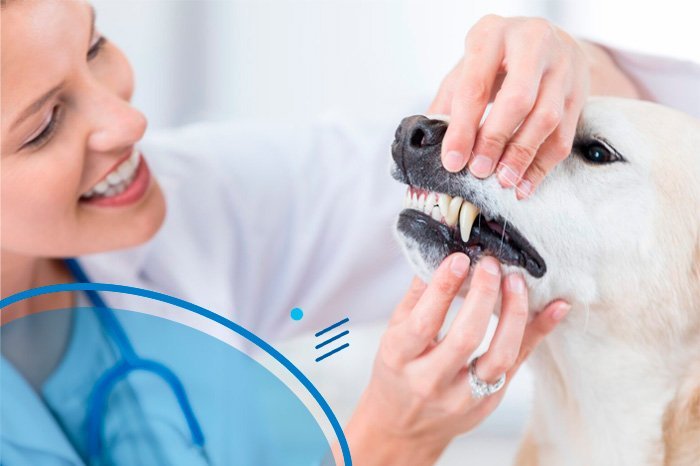
Dental disease in dogs and cats goes far beyond bad breath. Plaque and tartar accumulation along and below the gumline creates a breeding ground for bacteria that can cause gingivitis, periodontal disease, tooth root abscesses, and bone loss. Left untreated, these bacteria can enter the bloodstream and affect major organs including the heart, kidneys, and liver.
Cats are especially vulnerable to a condition called feline tooth resorption, where the body’s own cells break down tooth structure. These lesions are painful but difficult to detect without dental radiographs, which is why routine professional dental assessments are essential for feline patients.
Dogs commonly present with fractured teeth from chewing hard objects, advanced gingivitis, and heavy tartar deposits that push infection deeper below the gumline. Early intervention through professional cleaning prevents most of these problems from reaching a stage that requires extraction or surgical treatment.
Pets instinctively hide pain, so dental problems often go unnoticed until they are advanced. Watch for persistent bad breath, red or swollen gums, drooling, difficulty eating or chewing on one side of the mouth, dropping food, pawing at the face, and reluctance to chew hard treats or toys. Cats may groom less frequently, become irritable when touched near the head, or show a preference for soft food over dry kibble. Any of these signs warrant a professional dental evaluation.
Every dental procedure at our clinic follows a structured, safety-first protocol. The process begins with a thorough physical examination and pre-anaesthetic bloodwork to evaluate organ function and ensure your pet is healthy enough for general anaesthesia. Our in-house laboratory delivers these results within minutes.
Once cleared, your pet is gently induced under anaesthesia and monitored continuously throughout the procedure. A dedicated veterinary technician tracks heart rate, respiratory rate, blood pressure, oxygen saturation, and body temperature in real time.
Before any cleaning instruments are used, our team takes a full set of digital dental radiographs. These images reveal problems beneath the gumline — root abscesses, bone loss, resorptive lesions, and retained root fragments — that are invisible during a visual examination alone. An ultrasonic scaler removes tartar from every tooth surface both above and below the gumline, followed by polishing to smooth microscopic scratches and slow future plaque buildup.
When dental radiographs reveal severely diseased, fractured, or mobile teeth, our veterinarian may recommend extraction. This decision is always based on what provides the best long-term outcome for your pet. Cats and dogs adapt remarkably well after extractions — most owners report improved appetite, energy, and overall comfort once the source of chronic pain has been removed.
Complex extractions that require surgical intervention are handled seamlessly within our facility, following the same careful anaesthesia and pain management protocols used in all our procedures.
After a professional cleaning, most pets are ready to go home the same day. Soft food is recommended for the first day or two, particularly if extractions were performed. Pain medication and antibiotics are dispensed as needed, and our team provides detailed aftercare instructions before discharge.
Between professional cleanings, daily brushing with a pet-safe toothpaste is the most effective way to slow plaque accumulation. Dental chews and water additives can also help, though they are not substitutes for professional care. Our veterinarians can recommend products appropriate for your pet’s size and chewing habits.
Certain breeds are genetically predisposed to dental problems. Small-breed dogs — including Yorkshire Terriers, Dachshunds, Chihuahuas, and Shih Tzus — tend to develop dental disease earlier and more severely than larger breeds due to tooth crowding in smaller jaws. Brachycephalic breeds such as Bulldogs and Pugs also face elevated risk due to misaligned teeth that trap debris. Among cats, Siamese and Oriental breeds show higher rates of tooth resorption. Our veterinarians factor breed-specific risks into every dental evaluation and tailor cleaning schedules accordingly to prevent disease progression before it compromises your pet’s comfort and health.
The recommended frequency depends on your pet’s breed, age, diet, and oral health status. Some small-breed dogs and certain cat breeds are predisposed to dental disease and may benefit from annual cleanings, while others may go longer between procedures. Your veterinarian will assess your pet’s oral health during wellness exams and recommend an appropriate schedule based on what they observe.
Our veterinary dental clinic provides comprehensive animal dental care including professional cleanings, polishing, extractions, digital dental X-rays, and oral health consultations. Every procedure includes full-mouth radiographs to identify hidden problems below the gumline, ensuring your pet receives thorough, precise treatment for optimal oral health.
Poor oral health leads to gum disease, chronic pain, tooth decay, and bacteria entering the bloodstream — which can damage the heart, kidneys, and liver over time. Regular professional dental care prevents these complications, keeping your pet comfortable and reducing the risk of serious systemic illness caused by untreated periodontal disease.
Common warning signs include persistent bad breath, red or swollen gums, difficulty eating, drooling, pawing at the mouth, and loose or discoloured teeth. Cats may also groom less frequently or avoid hard food. If you notice any of these symptoms, schedule a dental evaluation for a comprehensive oral examination and treatment plan.
Yes, digital dental X-rays are a standard part of every dental assessment at our clinic. This advanced imaging technology allows us to visualize tooth roots, jawbone health, and hidden problems beneath the gumline that are not detectable during a standard physical examination.
Most professional dental procedures require general anesthesia to ensure your pet remains still, comfortable, and pain-free throughout treatment. Our team follows strict safety protocols including pre-anaesthetic bloodwork and continuous vital sign monitoring to minimize risk and support a smooth recovery.
If you are searching for a dog dentist Toronto or animal dental care near me, our experienced team offers exceptional veterinary dental services with extended evening and weekend availability. Pet owners across Etobicoke and the Greater Toronto Area trust us for compassionate, comprehensive dental care for dogs and cats.